Verdant News: Spring 2026
Verdant Way Spring 2026 - Plants, preparations, and gratitude

Hello, spring (oh wait, it's almost summer)
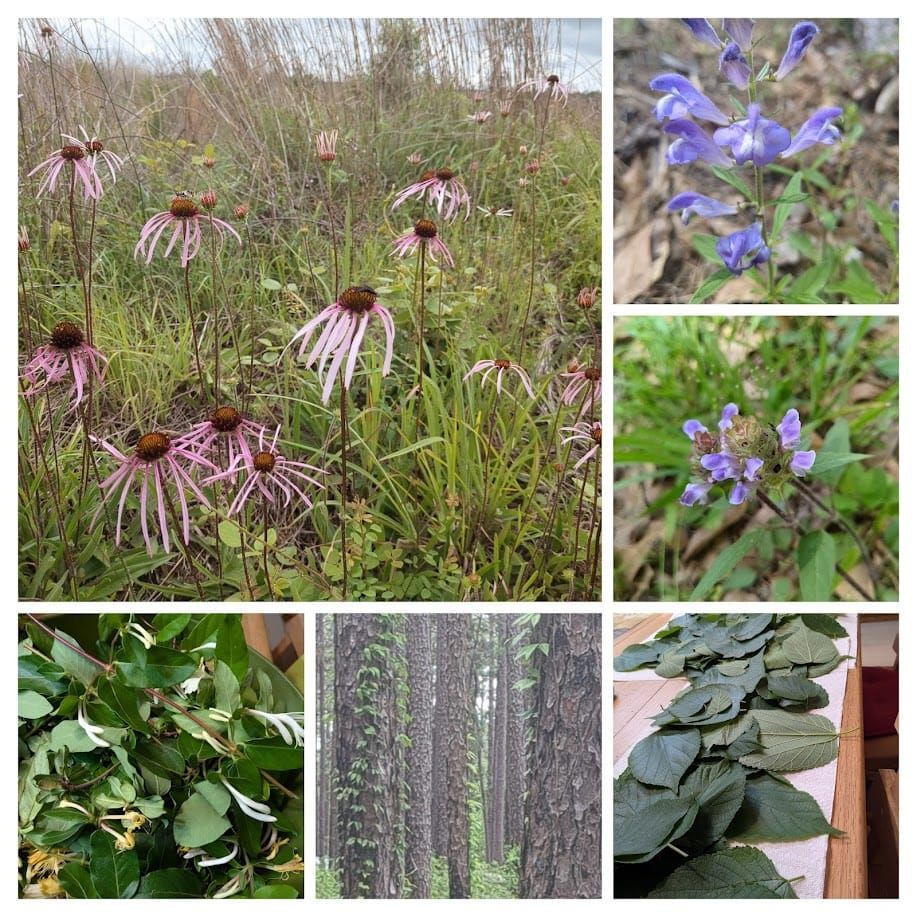
Here in the Longleaf Ridge, the dehydrator has been working overtime, the still has been boiling, and we're almost ready for the season change again. The greening up of local manglier and yaupon leaves have had us in the woods more than usual, and so the newsletter is late! Luckily, harvesting only gets better with experience.
Yaupon has been by far the most popular product in the apothecary. It tastes delicious, and actually helps the digestive system - something that we all seem to need these days. Manglier is a little more intricate, and advanced herbalists around the US are taking advantage of its availability. The apothecary's mission is to provide access to herbs with the least amount of human interference and processing possible.
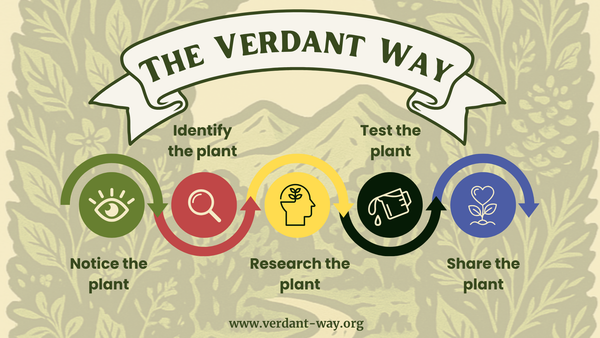
The apothecary has been a fulfilling way to interact with both herbs and the people who use them, there is a deeper mission to Verdant Way - providing access simple human-meets-plant experiences that deepen our curiosity and improve our wellbeing. In the coming seasons, we will explore plants using a field herbalism approach, which includes the ecology, historical use, and modern potential of herbs that grow wild in our communities.
In the Apothecary
While the yaupon and manglier leaves have been drying, I've also been preparing several new products for release. Coming very soon are mulberry leaf and goldenrod teas, which both have specifically irresistible flavor profiles and medicinal functions.
Mulberry leaves are used in Traditional Chinese Medicine for cough - but not just any cough. It's that early stage cough before you really get sick. Mulberry leaves aren't a bronchitis treatment, and that makes them really safe to use. The added benefit is that modern studies show they improve blood sugar and can help prevent diabetes. The herb is gentle enough that it's safe to use as a daily tea.
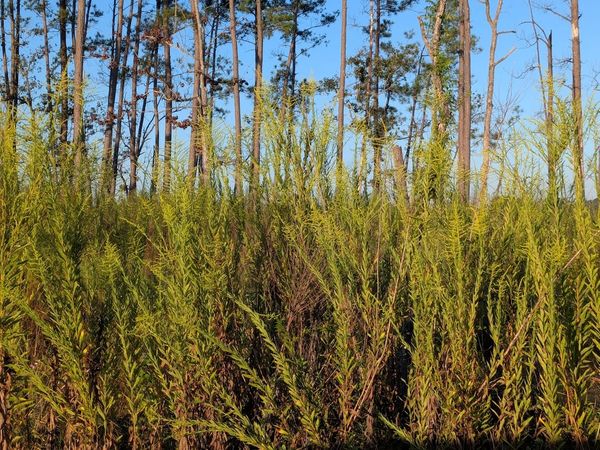
Goldenrod is fascinating - for one it has a particular scent and flavor that is bright without being strong citrus, earthy without being dirty, so it's really balanced. It has been used in folk medicine for centuries to ease problems with the urinary system. In the industrializing era, goldenrod was researched for its rubber content, and bred up to 22% at one point. Eventually, the plant was abandoned as a reliable rubber source, and now, varieties of goldenrod carry about 7% rubber. While not a medicinal historical fact, once you smell goldenrod and imagine the fragrant fields once raised for rubber, it becomes an unforgettable ally with a true American history.
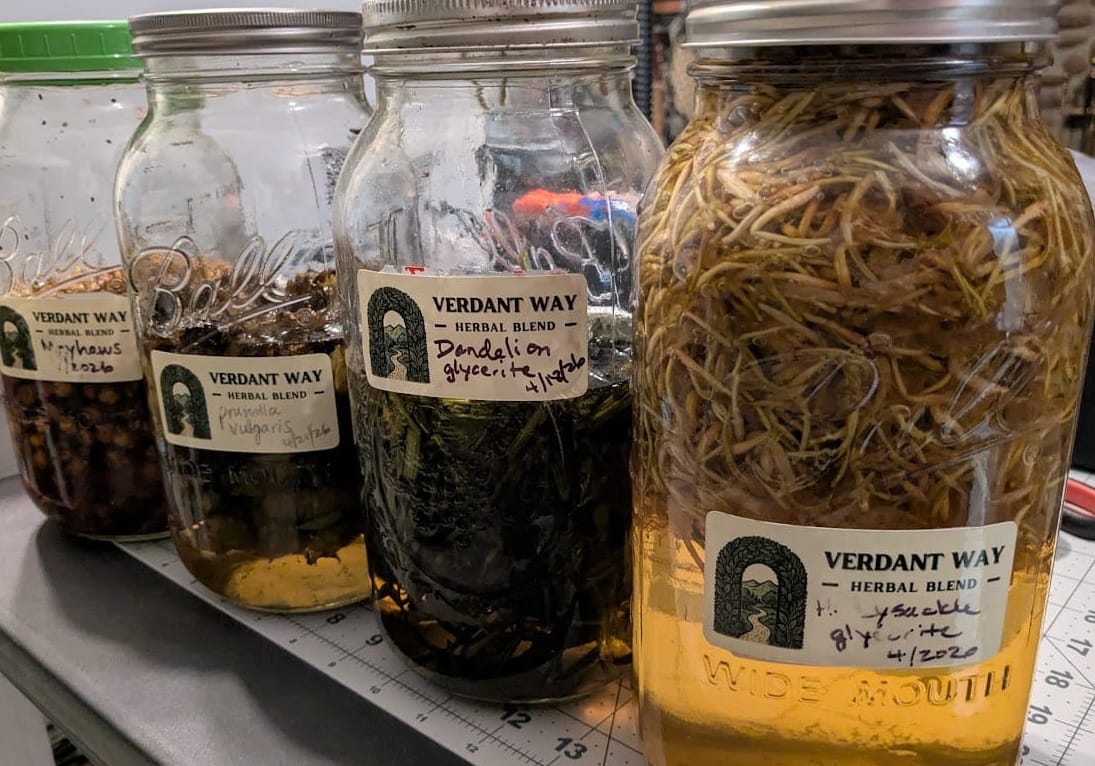
Building extracts this spring has raised several herbal controversies as well. For instance, dandelion (Taraxacum officinale) is used in a number of medicinal contexts as a bitter detox herb. While there are many varieties of wild dandelion growing throughout the world, the taxonomy surrounding dandelion species is more complex than you might imagine. However, all varieties seem to have similar properties, as they are all types of chicory whose roots were once used as a coffee substitute. I chose to work with the wilder Texas dandelion (Pyrrhopappus carolinianus) (which any botanist will tell you is not a "true dandelion" due to its darkened stamen roots), since I was working with the aerial parts of the plant. If the root was the goal, the much larger true dandelion root would be much better, as Texas dandelion roots are long and thin, and easily break when uprooted.
🌲 Along the Way
We've got plenty more herbal characters that will be showing up this summer, so stay tuned for updates on improvements and new discoveries. I want to take a moment to appreciate the organizations that made this work possible:
Longleaf Ridge Master Naturalists
The Longleaf Ridge chapter of the Master Naturalists is a wonderful group to walk in the woods. During classes, hikes, paddling, and labs, the Master Naturalist community supports and enables people to commune with nature in a symbiotic way. Texas Master Naturalist Program is here. Longleaf Ridge Chapter site is here.
iNaturalist
iNaturalist is a non-profit, open data project for citizen scientists to share observations and research. For me, it's a way to build community in the woods. I never identify plants using a single set of inexperienced eyes. While the app can give you suggestions for identifying plants, every identification must be verified by a second user before it can be used for research. iNaturalist is a very broad project that works beyond the scope of just plants. At the same time, it is essential for the field herbalist to learn new species, explore their area, and grow as a researcher. Download the app at iNaturalist.org.
Verdant Way is about putting you close to the woods and in touch with an emerging lineage of herbal medicine. You have already helped by coming this far. If you'd like to do even more, please consider supporting us by:
- shopping at the online Apothecary
- following us on Instagram or Facebook
Thank you for joining the Way.
-Dana Arroway
Founder of Verdant Way and field herbalism